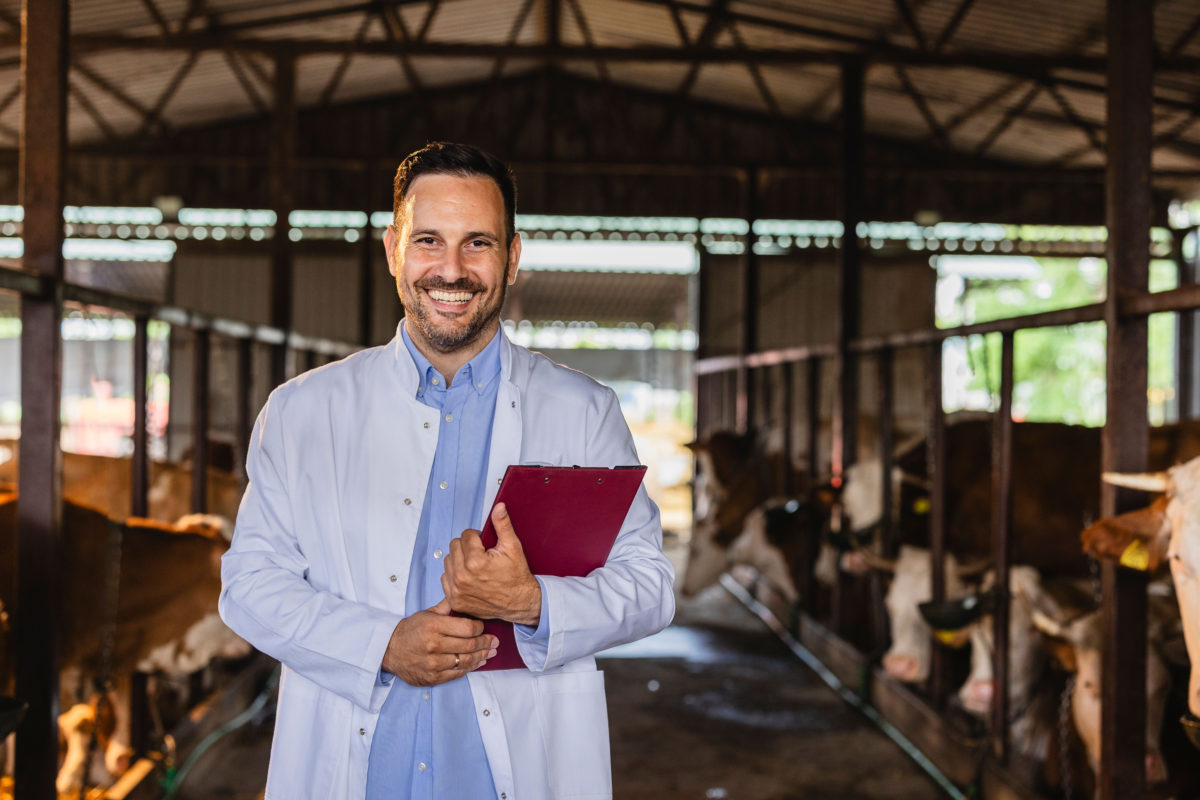



Have you ever paused to consider who truly architects the regulations governing food safety? When you hear of new legislation, does the image of a bureaucrat or a politician on a podium come to mind? In Europe, the reality is more nuanced and, reassuringly, more robust. The entire system is built upon a foundational principle: the strict separation of risk assessment from risk management.
Put simply: science has the first word, and only then do policymakers and legislators have theirs¹.
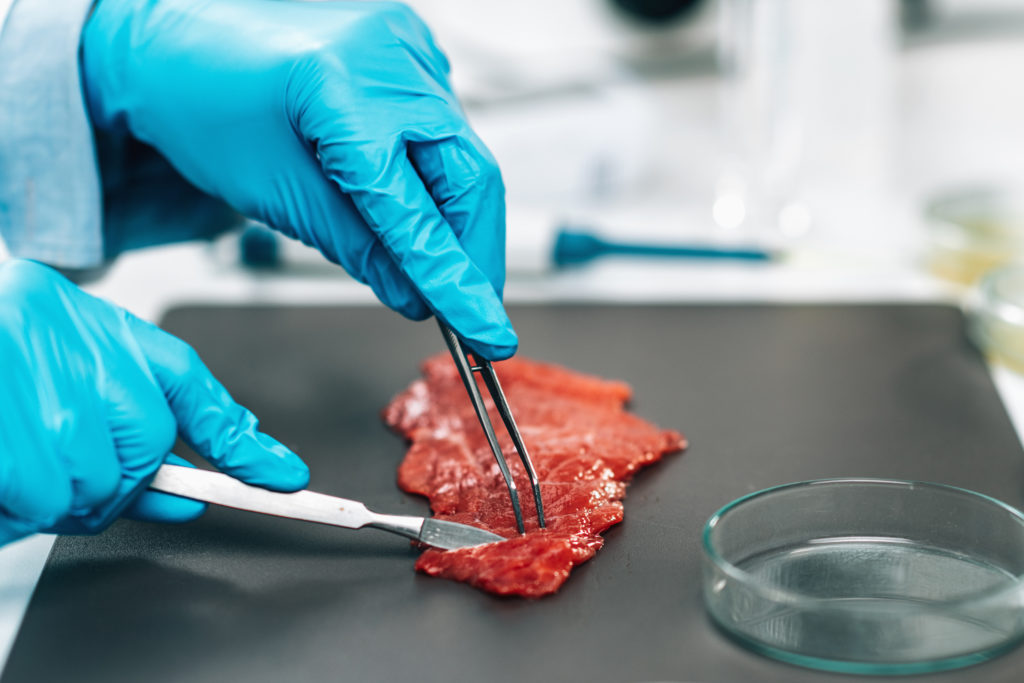
Two Worlds, One Goal: Consumer Safety
In the late 1990s, aspiring not merely to meet the challenges of a globalised food market but to set a new global benchmark, the European Union initiated an ambitious overhaul of its food safety framework. A cornerstone of this reform, immortalised in the historic ‘White Paper on Food Safety’, was the establishment of an independent scientific pillar. This gave rise to two distinct yet synergistic roles¹:
- Risk Assessment (The Domain of the Scientist): This is a task for independent experts. Their work is to answer the inquiries: “What is the hazard? What is its probability of occurrence? How severe could the consequences be?” They analyse data, conduct research, and issue objective scientific opinions, unencumbered by political or economic pressures.
- Risk Management (The Domain of the Decision-Maker): With a scientific opinion on the table, it falls to institutions like the European Commission and the European Parliament to act. Their role is to deliberate and decide: “Given our understanding of the risk, what action should we take?” They create laws, establish limits, and implement controls, taking the scientific opinion into account alongside socioeconomic and other factors.
The Scientific Vanguard: The European Food Safety Authority (EFSA)
This independent scientific body is the European Food Safety Authority (EFSA). It is here that hundreds of scientists and experts from across Europe meticulously scrutinise everything – from novel food additives and pesticide residues to animal health and new production technologies.
Let us imagine a new ingredient is proposed for market entry. Before any official can grant approval, the matter is referred to EFSA. The Authority’s scientists exhaustively investigate its potential impact on human health. Only their publicly available opinion can then serve as the foundation upon which policymakers may construct eventual legislation².
What Does This Signify for the Consumer?
This division of labour is the silent guardian of safety for everyone consuming food produced in Europe. It signifies that:
- Regulations are Rooted in Scientific Evidence: The basis for legislation is not an opinion or the pressure of interest groups, but professional scientific knowledge.
- Consumer Safety is Paramount: Objective and rigorous analysis of food safety is the first and foremost task of the scientists at EFSA.
- The System is Transparent: Every scientific opinion issued by EFSA is a matter of public record, allowing anyone to understand the rationale behind the decisions made.
This is precisely why consumers in Asia and beyond, when choosing European products, can have peace of mind. They can be assured that the safety of their chosen food is guaranteed not only by the producer or an inspector but by an entire, deliberate system where science always has the first word – giving consumers the confidence that they are choosing well¹!
1 https://eur-lex.europa.eu/legal-content/EN/TXT/?uri=CELEX:51999DC0719